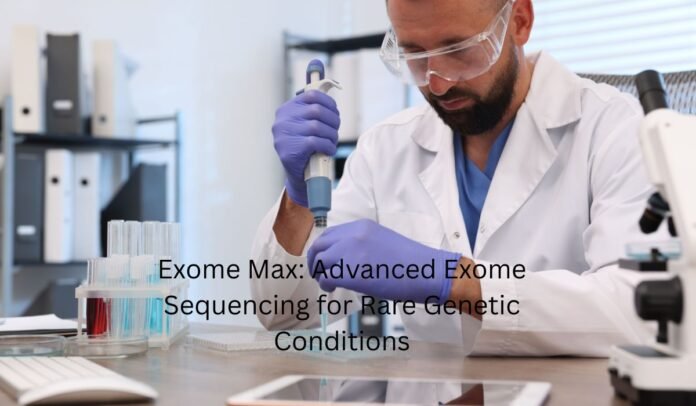
Rare genetic conditions often arrive without clear warning. A child misses milestones. Symptoms that do not fit common patterns appear. Tests begin. Blood work. Scans. Consults. Each result rules out something but rarely points to one clear answer. Families describe this phase as long rather than dramatic. Waiting becomes routine.
This is where broader genetic testing comes into play. Doctors may suggest exome sequencing when targeted tests no longer explain symptoms. The term sounds technical. The idea behind it stays simple. Look deeper across many genes rather than a few. This shift changes how some cases move forward.
Exome testing does not promise answers. It widens the search when the usual paths reach limits.
Why Broader Gene Analysis Matters In Rare Conditions
Many rare conditions are linked to gene changes that doctors do not test for at first. Standard panels focus on known patterns. They work well when symptoms match expectations. Rare conditions often do not follow neat lines.
Exome sequencing examines the protein-coding regions of genes. These sections hold many disease-causing changes. By scanning across thousands of genes, doctors gain a wider view. This matters when symptoms overlap across systems such as the muscle, brain, and metabolism.
The value sits in context. A single variant means little without clinical history. Doctors compare findings with symptoms, age, and family background. This process takes time. It also avoids rushed conclusions.
Tests like exome max come into play when families feel stuck between normal results and unanswered questions. The aim shifts from confirmation to exploration.
Another point often overlooked involves reanalysis. Genetic knowledge changes. A variant unclear today may gain meaning later. Broader data allows future review without a new sample.
How Advanced Exome Testing Fits Into Care Decisions
Doctors do not suggest exome sequencing for every case. It is suitable for situations where symptoms remain unexplained after initial testing. Children with developmental delay. Adults with progressive symptoms. Families with repeated patterns across generations.
The process begins with a blood sample. Analysis happens in stages. First, labs filter variants based on frequency and predicted effect. Then, clinicians compare the results with the medical history. This step carries weight. It prevents overinterpretation.
Reports often include findings with different levels of confidence. Some results explain symptoms clearly. Others suggest possible links. Clear communication matters here. Families need space to understand what is known and what remains uncertain.
Support also matters after results arrive. Genetic counselling helps families interpret findings and consider next steps. Without guidance, data feels heavy rather than helpful.
Within India, platforms such as Medgenome support this model by pairing laboratory analysis with clinical review rather than isolating the test from patient care. The phrase exome max describes scope rather than outcome. The test expands what doctors can see. Decisions still rely on judgment.
What Families Often Ask Before Choosing This Test
Cost enters the conversation early. Exome sequencing costs more than targeted tests. Families want to know why. The answer lies in scale and the effort required for analysis. More genes mean more data. More data means more review.
Another question involves accuracy. Families worry about false results. Exome tests identify variants. They do not label a disease without context. This reduces misinterpretation when handled carefully.
Parents also ask whether results help treatment. Sometimes they do. A clear diagnosis can guide therapy, monitoring, or lifestyle changes. In other cases, results bring closure rather than treatment. Both outcomes hold value.
Timing matters as well. Early testing may shorten the diagnostic journey. Late testing may confirm long-held suspicions. Doctors weigh this when suggesting exome max. Families also ask about privacy and data use. Reputable labs follow strict guidelines. Asking about this upfront builds trust. One more detail often missed involves expectations. Exome testing does not close every case. It shifts the search. That shift alone can ease uncertainty.