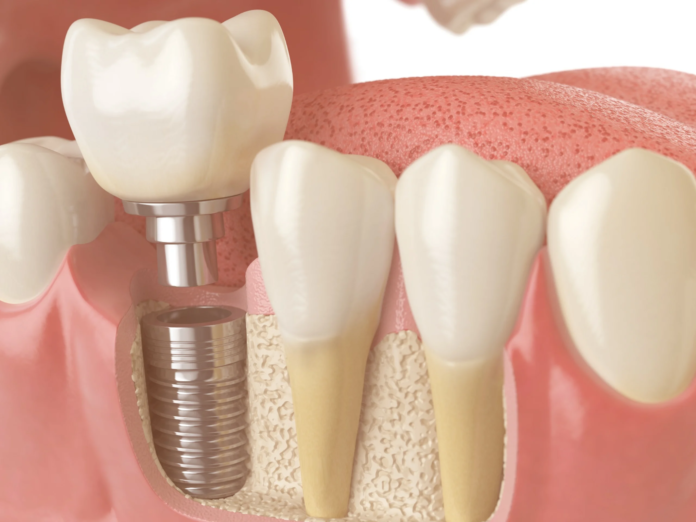
Dental implants require sufficient healthy jawbone to remain secure. When a tooth is missing for a long time, the surrounding bone begins to shrink because it no longer receives stimulation from chewing. Bone loss can also occur due to:
- Tooth extractions
- Gum disease
- Facial trauma or injury
- Infection
- Long-term use of dentures
If there isn’t enough bone to support an implant, a bone graft may be recommended before implant placement. In some cases, minor grafting can be completed during implant surgery, while larger grafts may require several months of healing first.
Types of Bone Grafts
Depending on your oral health and the amount of bone required, different grafting materials may be used.
- Autograft: Bone is taken from another area of your own body, usually the chin or hip. Since it uses your own tissue, it has excellent healing potential.
- Allograft: Bone is obtained from a carefully screened human donor and processed for safe use.
- Xenograft: Bone material is sourced from animals, commonly bovine (cow) bone, and serves as a scaffold for new bone growth.
- Synthetic Bone Graft: Artificial materials made from biocompatible minerals encourage natural bone regeneration without using donor tissue.
What Happens During the Procedure?
The treatment usually involves the following steps:
- A comprehensive examination with X-rays or 3D imaging.
- Local anaesthesia is administered to keep you comfortable.
- The graft material is placed into the area where bone is lacking.
- A protective membrane may be used to stabilize the graft.
- The gum tissue is closed with stitches.
- The graft gradually integrates with your natural bone over the following months.
The exact procedure varies depending on the amount of bone reconstruction required.
Recovery After Bone Grafting
Most people experience mild swelling, bruising, and discomfort for a few days after the procedure. Recovery recommendations generally include:
- Eat soft foods for several days.
- Avoid smoking, as it slows healing.
- Follow prescribed medications.
- Maintain gentle oral hygiene around the surgical site.
- Attend follow-up appointments to monitor healing.
Although initial healing occurs within a couple of weeks, complete bone integration often takes between three and six months, depending on the complexity of the graft.
Is Bone Grafting Painful?
The procedure itself is performed under local anaesthesia, so you should not feel pain during treatment. Some soreness and swelling afterwards are normal and are usually manageable with prescribed or over-the-counter pain relief. Most patients return to normal daily activities within a day or two.
Are There Any Risks?
Like any surgical procedure, bone grafting carries some risks, although complications are uncommon. Possible risks include:
- Infection
- Swelling or bleeding
- Delayed healing
- Graft failure (rare)
- Temporary discomfort
Following your dental professional’s instructions can greatly reduce these risks.
Final Thoughts
Bone grafting is an effective solution for rebuilding jawbone that has been lost due to missing teeth, gum disease, or injury. By restoring bone volume, it creates the stable support needed for long-lasting dental implants and helps improve both oral function and appearance. If you’re considering dental implants, a professional assessment can determine whether bone grafting is the right step toward restoring your smile.