What Are Measles?
Measles is a highly contagious viral infection that affects the respiratory system, spreading through coughs, sneezes, and contaminated surfaces. It mostly affects children, but unvaccinated adults are also at risk. Early symptoms include fever, cough, runny nose, red eyes, and a red rash starting on the face. While most cases resolve within 10–14 days with supportive care, serious complications can occur in young children, pregnant women, and the immunocompromised. Vaccination and public health measures like isolation are key to preventing outbreaks and protecting vulnerable populations.
For urgent care or expert management of measles symptoms, families can seek professional support at St. Michael’s Elite Hospital, ensuring proper treatment and monitoring.
Measles Symptoms
If your child shows signs of measles, don’t hesitate to contact us for professional guidance. Symptoms typically appear 7–14 days after exposure and include a combination of fever, respiratory, and skin signs.
- High fever that gradually increases and can last for several days.
- Cough, runny nose, and nasal congestion, often accompanied by a sore throat.
- Red, watery eyes (conjunctivitis) that may be sensitive to light.
- Koplik spots, small white spots with bluish centers inside the mouth, appear before the rash.
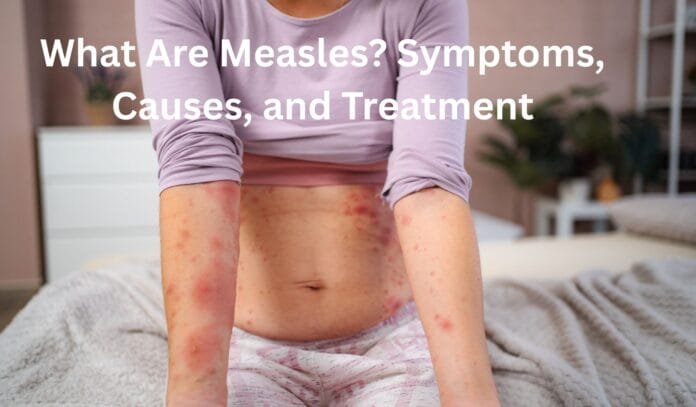
- Red, blotchy rash that usually begins on the face and spreads to the neck, torso, arms, and legs.
- Fatigue, loss of appetite, and general malaise make children particularly irritable or lethargic.
Early recognition of these symptoms helps ensure prompt medical evaluation and reduces the risk of transmitting the virus to others.
Causes of Measles
Measles is caused by the measles virus and spreads easily, especially among unvaccinated individuals. Key causes and risk factors include:
- Infection by the measles virus, entering through the nose or mouth, initially affects the respiratory tract.
- Person-to-person spread via coughing, sneezing, or contact with nasal/throat secretions.
Virus can linger in the air or on surfaces for several hours, increasing contagion. - Unvaccinated individuals, including infants too young for vaccination or those with weakened immunity, are at the highest risk.
- Crowded living conditions and limited access to healthcare increase infection risk.
- International travel to outbreak areas can expose individuals to the virus.
- Compromised immunity from other illnesses or medical treatments raises susceptibility.
Complications of Measles
Although most children recover fully, measles can cause serious complications, particularly in vulnerable populations. These include:
- Pneumonia, which is the most common cause of measles-related death.
- Encephalitis is a severe brain inflammation that can lead to seizures or permanent neurological damage.
- Ear infections, which can result in hearing loss.
- Diarrhea and dehydration, especially in malnourished children.
- Pregnancy complications, such as premature birth or low birth weight.
Children under five, adults over 20, pregnant women, and immunocompromised individuals are at the highest risk of severe outcomes. Awareness of these complications underscores the importance of vaccination and early care.
Diagnosis of Measles
Diagnosis is usually based on a combination of clinical symptoms and medical history. Doctors often look for the characteristic rash, high fever, and respiratory signs.
Laboratory tests, such as blood tests for measles antibodies or PCR tests to detect viral RNA, can confirm the diagnosis. Healthcare providers may also inquire about vaccination history and potential exposure to infected individuals. Early and accurate diagnosis ensures appropriate management and helps prevent the spread to others.
Treatment Options
There is no specific antiviral treatment for measles, so care is primarily supportive:
- Rest and hydration help the body fight the infection.
- Fever and pain management with medications like acetaminophen or ibuprofen.
- Vitamin A supplementation, especially in children, can reduce the severity of symptoms.
- Monitoring for complications such as pneumonia, dehydration, or ear infections.
In severe cases, hospitalization may be necessary to provide intravenous fluids, oxygen, or treatment for secondary infections. Early medical attention can significantly improve outcomes and prevent serious health risks.
When to Seek Emergency Care?
Seek immediate medical attention if a child or adult with measles develops:
- High fever that does not improve.
- Difficulty breathing, persistent cough, or chest pain.
- Signs of dehydration, such as reduced urination or extreme fatigue.
- Severe ear pain, swelling, or neurological symptoms like seizures.
- Worsening rash or rapid spread beyond typical areas.
Early evaluation by a healthcare professional ensures proper monitoring, supportive care, and reduces the risk of serious complications.