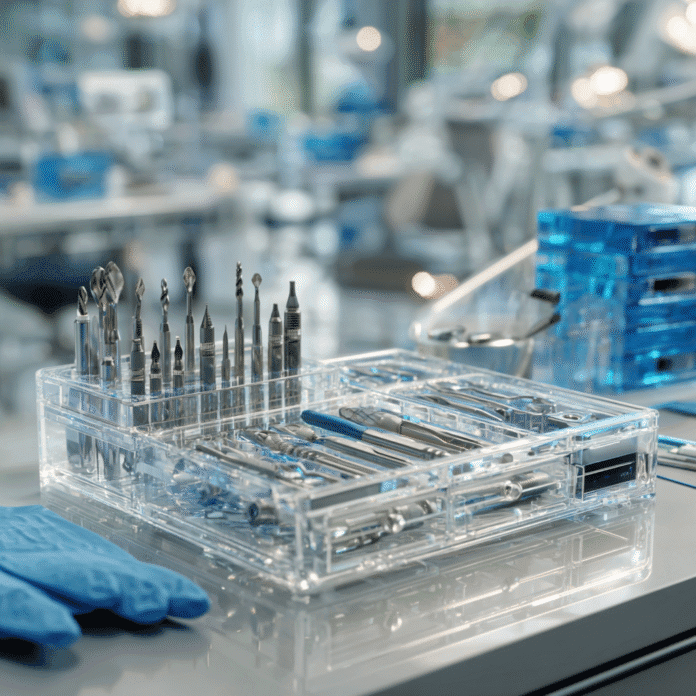
Modern dentistry relies on a variety of specialized tools designed to improve precision, efficiency, and patient comfort. Among these essential instruments are carbide burs, which are widely used by dental professionals for cutting, shaping, and removing tooth structure during various procedures. For beginners entering the dental field—whether students, dental assistants, or new practitioners—understanding how these tools work is an important step toward mastering clinical techniques.
What Are Carbide Burs?
In restorative and general dentistry, carbide burs are rotary cutting instruments commonly used with high-speed and low-speed dental handpieces. They are typically made from tungsten carbide, a material known for its exceptional hardness and durability. This strength allows carbide burs to cut through tough materials such as enamel, dentin, and dental restorations with greater efficiency than many other types of burs.
These tools are designed with sharp blades or flutes that rotate at high speeds, allowing dentists to remove tooth decay, shape cavities, polish restorations, and perform other detailed dental procedures. Because of their precision and cutting ability, carbide burs are considered a fundamental component of modern dental practice.
Key Features of Carbide Burs
Carbide burs stand out from other dental burs due to several unique characteristics that make them highly effective in clinical settings.
Durable Construction
The primary advantage of carbide burs is their durability. Tungsten carbide is much harder than stainless steel, which means these burs maintain their sharpness for longer periods and provide consistent cutting performance.
Efficient Cutting Ability
Unlike diamond burs, which grind surfaces, carbide burs use blade-like edges to cut tooth structure cleanly. This allows dentists to remove material quickly while maintaining control and precision.
Variety of Shapes and Sizes
Carbide burs are available in many shapes and sizes, each designed for specific dental procedures. Some common types include round burs, pear-shaped burs, and fissure burs. Each shape serves a different purpose, such as cavity preparation, smoothing surfaces, or removing old restorations.
Common Uses of Carbide Burs in Dentistry
Carbide burs are versatile tools used in multiple dental procedures. Their adaptability makes them valuable in both routine and complex treatments.
Cavity Preparation
One of the most common uses of carbide burs is removing tooth decay and preparing cavities for fillings. Their sharp cutting edges allow dentists to remove decayed tissue efficiently while preserving as much healthy tooth structure as possible.
Removal of Old Restorations
Carbide burs are often used to remove old fillings, crowns, or dental materials. Their cutting power helps dentists break down restorative materials without causing unnecessary damage to surrounding tooth structures.
Finishing and Shaping
After placing a restoration, dentists may use certain types of carbide burs to shape and refine the material. This step ensures that the restoration fits properly and maintains a natural appearance.
Choosing the Right Carbide Bur
Selecting the correct bur depends on the procedure being performed. Factors such as bur shape, size, and blade design all influence the outcome of the treatment.
Consider the Procedure
Different dental procedures require different bur types. For example, round burs are commonly used for decay removal, while fissure burs are often used for shaping cavity walls.
Check Handpiece Compatibility
Dental burs must be compatible with the handpiece being used. High-speed and low-speed handpieces require different bur shank types, so choosing the correct one is essential for proper performance.
Conclusion
Carbide burs play a vital role in modern dentistry by providing dentists with the precision and cutting power needed for a wide range of procedures. Their durability, efficiency, and versatility make them a preferred choice for tasks such as cavity preparation, restoration removal, and finishing work.
For beginners entering the dental field, learning about the different types and uses of carbide burs is an important step in developing clinical skills. By understanding how these tools function and selecting the right bur for each procedure, dental professionals can improve treatment outcomes while ensuring a smoother and more efficient workflow in the dental practice.