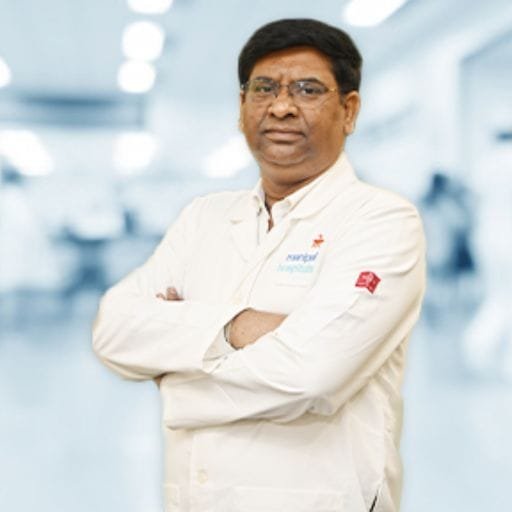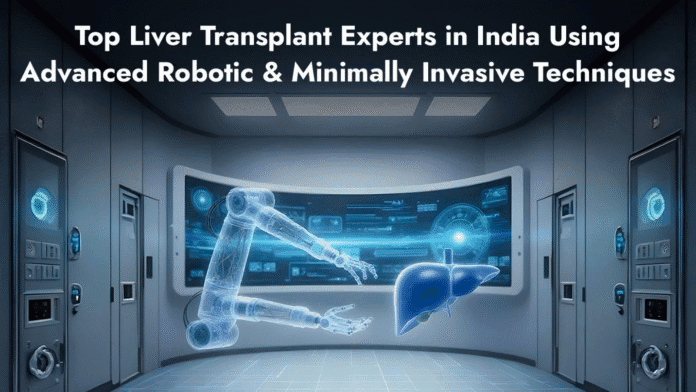
Robotic and minimally invasive liver surgery has grown across India. These methods support less pain, blood loss and recovery. Patients seek specialists using these tools with steady skill. One of them is Dr. Prashant Kadam, who possesses clear judgment and structured planning. He is a trusted Liver Transplant Surgeon with strong experience in complex cases.
This guide explains how robotic support works, how experts choose their cases, and what families should check before selecting a doctor. Additionally, it shows just how new technology shapes stronger results for donors and recipients.
Why Robotic Support Matters in Liver Transplant Care
Robotic systems help the surgeon to reach into tight areas with strong control; the vision is sharp, and the movement stays stable. It reduces trauma in the nearby tissue. These points matter in liver surgery since the liver sits near major vessels.
Generally, individuals referring to the best liver transplant surgeons in Mumbai study how these experts use robotic tools during the most important steps of the donor surgery and help shorten the stay and support quicker recovery.
Robotic clarity also helps the surgeon in dealing with small vessels with great care.
Growth of Minimally Invasive Liver Surgery in India
The small cuts help the patient in early walking and reduce discomfort. These methods support a faster return to routine life. Specialists use global guidelines with local planning for treating cirrhosis, fatty liver disease, genetic liver issues, and complex tumours.
Most people compare doctors with the best liver transplant expert in India to comprehend how every specialist uses robotic tools and laparoscopic tools to manage risk. Skill in both fields helps the surgeon adjust the method for each patient.
Surgeons choose the path carrying the least risk, judging by the liver score, the age, and the strength of the organ.
How Robotic Liver Transplant Surgery Works
The system follows the actions of the surgeon. Internal tools move with accuracy and a steady grip. People reading about robotic liver transplant surgery learn that these tools support donor hepatectomy and selected transplant steps.
It decreases blood loss and enhances comfort in stitching deep areas; therefore, robotic assistance shapes safer outcomes for both donors and recipients.
Robotic Liver Transplantation in India
In India, long hours of training for the teams are required before trying the robotic units in transplant cases. Donors often go back to routine faster after a robotic liver transplantation that supports donor safety and comfort.
The experts only select cases in which there are strict rules, and they review the anatomy of the donor pre-surgery on high-quality scans. Strong planning cuts down the risk.
Training and Skill Make a Strong Difference
Robotic and minimally invasive surgery requires focused training. The surgeons are taught vessel mapping, fine stitching, and risk control. Families have often studied the work of the best liver transplant surgeon in India to check exposure, years in practice, and real outcomes.
Training moulds the surgeon’s speed, clarity, and judgment in tight situations.
Role of Hospital Systems in Robotic Transplant Surgery
| Hospital Needs | What Patients Should Check |
| Full robotic unit | Type and maintenance |
| Competent support team/ Intensive Care Unit, anaesthesia, and nursing | Training level and transplant experience |
| Strong infection control and active protocols | Audit reports and hygiene track record |
| Round-the-clock support | Team on site |
| Clear review plan | Healing checks |
This helps such families judge the systems clearly. A good hospital supports safe healing for both donors and recipients.
Why Patients Focus on Specialists With Strong Case Volume
Results are consistent and based on experience. High-volume surgeons have calm intensities in managing stress, and the next steps with families are clear-cut. This is why many families follow updates from Dr. Prashant Kadam. Being a renowned Liver Transplant Surgeon, he knows when robotics helps and when another method fits the condition better.
Case volume also allows the team to be better prepared for unusual complications.
What to Ask During Your First Consultation
Ask clear questions.
• How often the surgeon employs robotic tools
• What suits your case
• Anticipated length of healing
• Post-surgery plan
• Ensure planning for donor safety
• ICU support
• Team organisation
These questions will help in comparing options with method and clarity for those studying the top liver transplant doctors of Mumbai.
Aligning the Technique With the Patient’s Condition
Some conditions necessitate open surgery for safety, best explained in all detail in a composed manner by an experienced specialist. The discussing patients, therefore, remain focused on candid advice, survival data, and long-term support from the best liver transplant expert in India.
What is more important than the method is a safe plan.
How Technology Supports Donor Safety
Robotic tools reduce trauma to the donor liver. Small cuts lessen discomfort and support early mobility. The vessel flow, bleeding, and liver function are monitored continuously by this team during this process.
This protects the health of the donor at every stage.
Patient Stories Illustrate the Impact
Families often share how small cuts and short stays shaped an easier recovery. Many have emphasised clear communication by the surgeon and team. It is these stories that help new patients understand their healing journey with confidence.
Why Choosing the Right Expert Matters
Robotic liver surgery requires experience, planning, and a strong hospital setup. Patients should check the following:
• Case volume
• Training in robotic and laparoscopic work
• Method used for their condition
• Post-operative plan
• Steps for donor safety
• ICU strength
• Care pathway for long-term conditions
Patients also look at how the surgeon prepares them in advance of surgery. Clear guidance over food, activity, sleep and infection control can reduce stress. A good specialist will describe each test, each scan and each timeline in clear terms. Such support keeps both patient and donor calm.
Good communication promotes follow-up care. Families are given a sense of safety when the surgeon can offer steady direction during the first weeks of healing. This helps families find the right expert and move towards safe recovery. Many patients selecting advanced care place their trust in Dr. Prashant Kadam because of his clear guidance, steady judgment, and strong record in complex liver transplant work.