An estimated 35 million people in America are living with type 2 diabetes based on recent reports from the medical sector. Numerous medications have been developed to help deal with this condition. Each one works in a different way to help control blood sugar levels. In some cases, they’re used in tandem to target type 2 diabetes from multiple angles.
A New Type 2 Diabetes Treatment
One of the latest medications for type 2 diabetes is tirzepatide. It can aid in managing the condition while also helping with weight loss. It has gained a great deal of attention for its effectiveness not only as a treatment for diabetes but also in medically supervised weight loss programs.
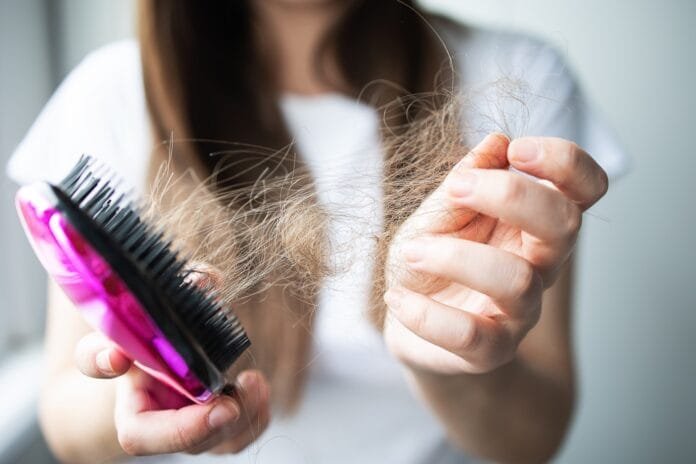
Despite its exciting results, rumors have spread that it might cause an unexpected side effect, specifically hair loss. With that being the case, if your doctor has recommended or prescribed this medication for you, you may have a common question on your mind: does tirzepatide cause hair loss?
Taking a Closer Look at Tirzepatide’s Side Effects
All medications can cause side effects, and tirzepatide is no exception. Its most commonly documented side effects are nausea, vomiting, constipation, diarrhea, reduced appetite, and low energy. Not everyone experiences those issues while taking this medication. Many who do say they’re relatively mild. They also fade once the body gets accustomed to tirzepatide. Hair loss isn’t listed as one of its side effects. It’s not known to damage hair follicles or cause hair to fall out.
Hair Loss Associated with Tirzepatide
Having said all that, some people have reported losing hair while taking tirzepatide. Though the medication itself doesn’t cause hair loss, there are a few additional factors to consider here. For one, it can lead to rapid weight loss, which may cause thinning hair. Rapid weight loss places stress on the body, and that can lead to several changes, one of which is an interruption in the hair’s normal growth cycle.
Secondly, as mentioned, tirzepatide may suppress your appetite. Many people report that they don’t feel hungry or experience food cravings as often when they’re taking it. They say they feel full sooner as well. Studies show that significant reductions in calorie intake can cause hair to fall out and grow more slowly. That can happen with all weight loss efforts, including crash diets.
Furthermore, when people eat less, they often inadvertently fail to take in all the nutrients their bodies need to stay healthy. Nutritional deficiencies can cause hair loss or hamper new hair growth. Iron; zinc; protein; essential fatty acids, and vitamins B7, D, and E are particularly important for healthy hair growth. Weight loss may cause hormonal changes as well. It can affect thyroid function and estrogen and cortisol levels. Changes like those tend to affect the hair. Even minor changes can cause shedding.
Bottom Line
Some people report losing hair while they’re taking tirzepatide. Based on ongoing studies, hair loss isn’t a direct side effect of the medication itself. Instead, it’s a result of the hormonal changes, stress, reduced calorie intake, and nutritional deficiencies that come with rapid and significant weight loss. For those who do experience thinning hair while taking tirzepatide, it’s only temporary. Once their bodies get accustomed to those changes, their hair growth returns to normal.